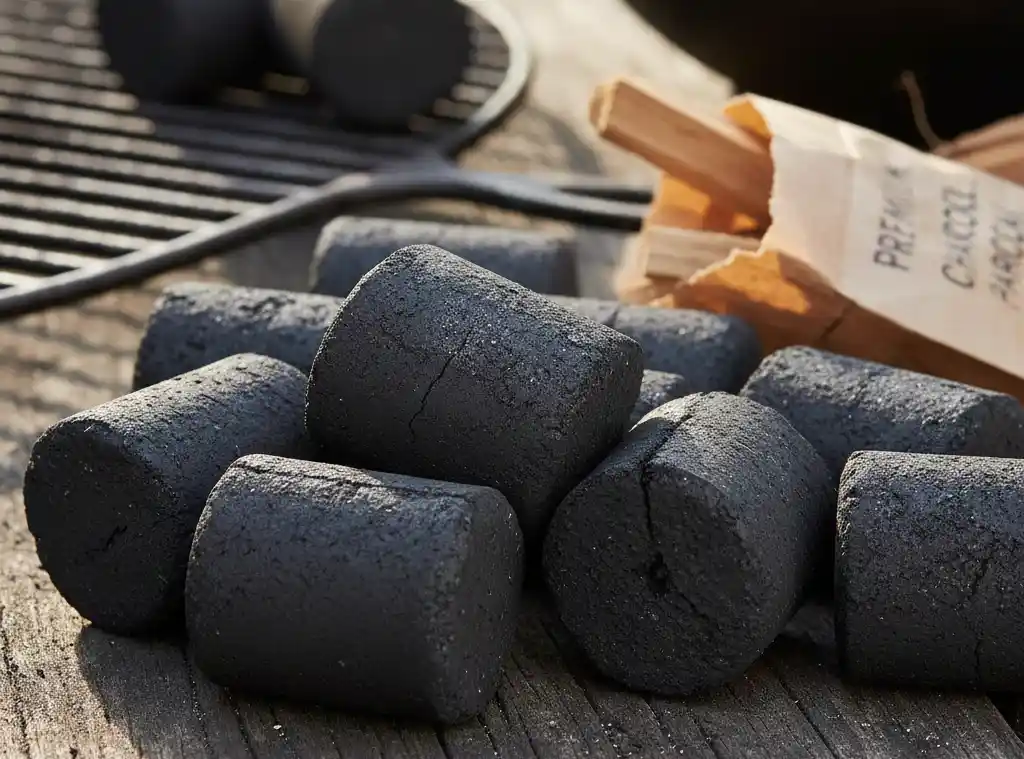
Understanding the methods to test the combustion quality of coconut charcoal briquettes is essential for producers, exporters, and small-scale users who want reliable and efficient fuel. For a more detailed discussion, readers can refer to the main article, How to Test the Combustion Quality of Coconut Charcoal Briquettes, which explains key performance indicators and testing procedures. Additional insights on production techniques, market trends, and business strategies are also available on the homepage of globalusaha.com, providing useful references for manufacturers and hobbyists.
Importance of Combustion Testing
Testing the combustion quality of coconut charcoal briquettes ensures that the fuel burns efficiently, produces minimal smoke, and maintains consistent heat. Poor combustion can affect user satisfaction, increase environmental impact, and reduce the economic value of the briquettes. Regular testing also helps producers maintain high standards, especially for export markets where quality consistency is critical.
Visual Inspection
A simple method for assessing combustion quality is a visual inspection. This involves checking the briquette’s shape, surface texture, and uniformity. High-quality briquettes should be dense, smooth, and free from cracks. Irregularities may indicate improper mixing or insufficient compression, which can negatively affect burning performance.
Ignition Test
The ignition test measures how easily briquettes catch fire. Producers place a sample briquette in a safe burning area and observe the time it takes to ignite. Briquettes that light quickly without excessive smoke indicate good binder distribution and proper moisture content. This test also helps identify batches that may require additional drying or processing adjustments.
Burn Duration Test
Burn duration is a key indicator of combustion efficiency. To conduct this test, a briquette is burned under controlled conditions while monitoring the time it takes to fully combust. Long-lasting briquettes are more energy-efficient and cost-effective, making them suitable for household, restaurant, or small industrial use.
Heat Output and Consistency
Measuring heat output ensures the briquettes provide consistent energy during burning. This can be done using calorimeters or by observing cooking or heating performance. Uniform heat output indicates stable briquette density and proper carbonization. Uneven burning or rapid decline in heat suggests variations in material quality or compression.
Smoke and Residue Analysis
Another important method is analyzing smoke production and ash residue. High-quality coconut charcoal briquettes should produce minimal smoke and leave low ash content. Excessive smoke can indicate high moisture or poor combustion properties, while high ash residue may reduce the efficiency of heat generation.
Practical Tips for Home or Small-Scale Testing
For home or small-scale producers, simple visual observations and small-scale tests can be effective. Monitoring ignition speed, flame stability, and residual ash can provide practical insights into briquette performance without specialized equipment. Consistent practice and experience helps improve production techniques and ensures better-quality fuel.
Conclusion
Testing the combustion quality of coconut charcoal briquettes involves visual inspection, ignition testing, burn duration assessment, heat output measurement, and smoke and ash analysis. Applying these methods helps producers ensure efficient, reliable, and environmentally friendly fuel for households, businesses, and export markets. Regular quality checks also support consistent performance, customer satisfaction, and sustainable production practices.