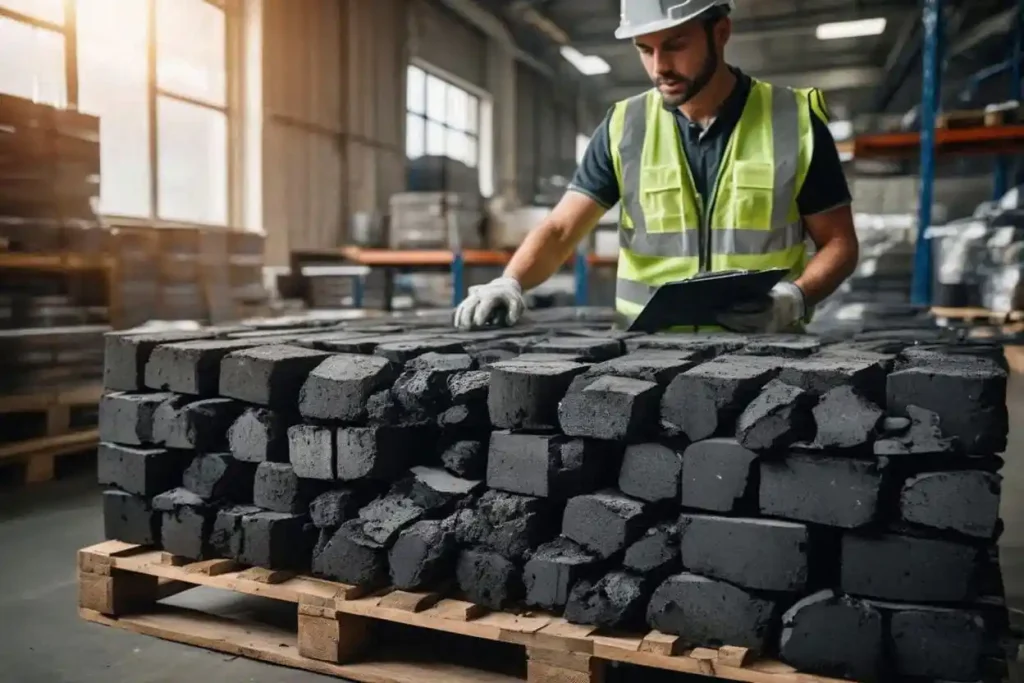
Quality control in charcoal production determines whether a product succeeds or fails in competitive global markets. Buyers and business owners who understand this process make smarter sourcing decisions and avoid costly supply chain problems. Indonesia, as one of the world’s top charcoal briquette exporters, applies this standard across its best manufacturing facilities.
However, not all producers follow the same level of discipline. That is why learning how quality control works in this industry gives you a real advantage when choosing a supplier.
Why Quality Control in Charcoal Production Matters
Poor quality control leads to inconsistent products that burn unevenly, produce excessive smoke, or crumble during transport. These issues damage your reputation with end customers and increase return rates significantly. Businesses that source from manufacturers with strict quality control processes avoid these problems from the start.
Furthermore, markets in Europe, the Middle East, and North America enforce tight import standards. Suppliers who fail to meet these requirements risk shipment rejection and financial loss. Choosing a manufacturer with proven quality systems protects both your investment and your customer relationships.
Key Quality Parameters Every Buyer Should Understand
Understanding the technical benchmarks of charcoal quality helps you evaluate suppliers more effectively. The most important parameters include:
- Fixed carbon content — higher levels indicate cleaner, longer-lasting burns.
- Ash content — quality briquettes maintain low ash content, typically below 5%.
- Moisture content — excess moisture reduces heat output and causes ignition problems.
- Calorific value — measured in kcal/kg, this figure reflects the energy output per unit.
- Density and hardness — well-compressed briquettes resist breakage during shipping and handling.
Reliable manufacturers test each batch against these parameters before approving any shipment.
Quality Control Stages in Charcoal Manufacturing
A trustworthy manufacturer applies quality control at multiple stages throughout production, not just at the end. This systematic approach ensures consistency across every order.
First, raw material selection sets the foundation. Producers who source premium coconut shell or hardwood from verified suppliers start with a stronger base. Working with a certified coconut charcoal briquette supplier that controls its own raw material supply reduces variability from the very beginning.
Next, the carbonization and pressing stages require precise temperature control and compression settings. Skilled operators monitor these processes continuously to maintain product uniformity. Finally, finished products go through laboratory testing and visual inspection before packaging and export approval.
How to Confirm a Manufacturer Follows Proper Standards
Asking the right questions helps you identify manufacturers who take quality control seriously. Request documentation such as third-party lab test results, certificates of analysis, and production inspection reports. These documents show whether the producer consistently meets the specifications they promise.
Additionally, arranging a factory visit or hiring a third-party inspection agency strengthens your due diligence process. You can observe the production line, review equipment conditions, and verify that testing procedures match what the manufacturer claims on paper.
Conclusion
Quality control in charcoal production is not just a technical requirement — it is a business necessity for any buyer serious about long-term success. From raw material sourcing to final inspection, every production stage plays a role in determining the consistency and reliability of the end product. Buyers who prioritize this aspect when selecting a supplier build stronger, more dependable supply chains. For broader insights into Indonesian charcoal industries and related export topics, jacoid.com serves as a valuable reference worth bookmarking.